Best Religious Building
Church of Jesus Christ of Latter-day Saints Temple - McAllen, Texas
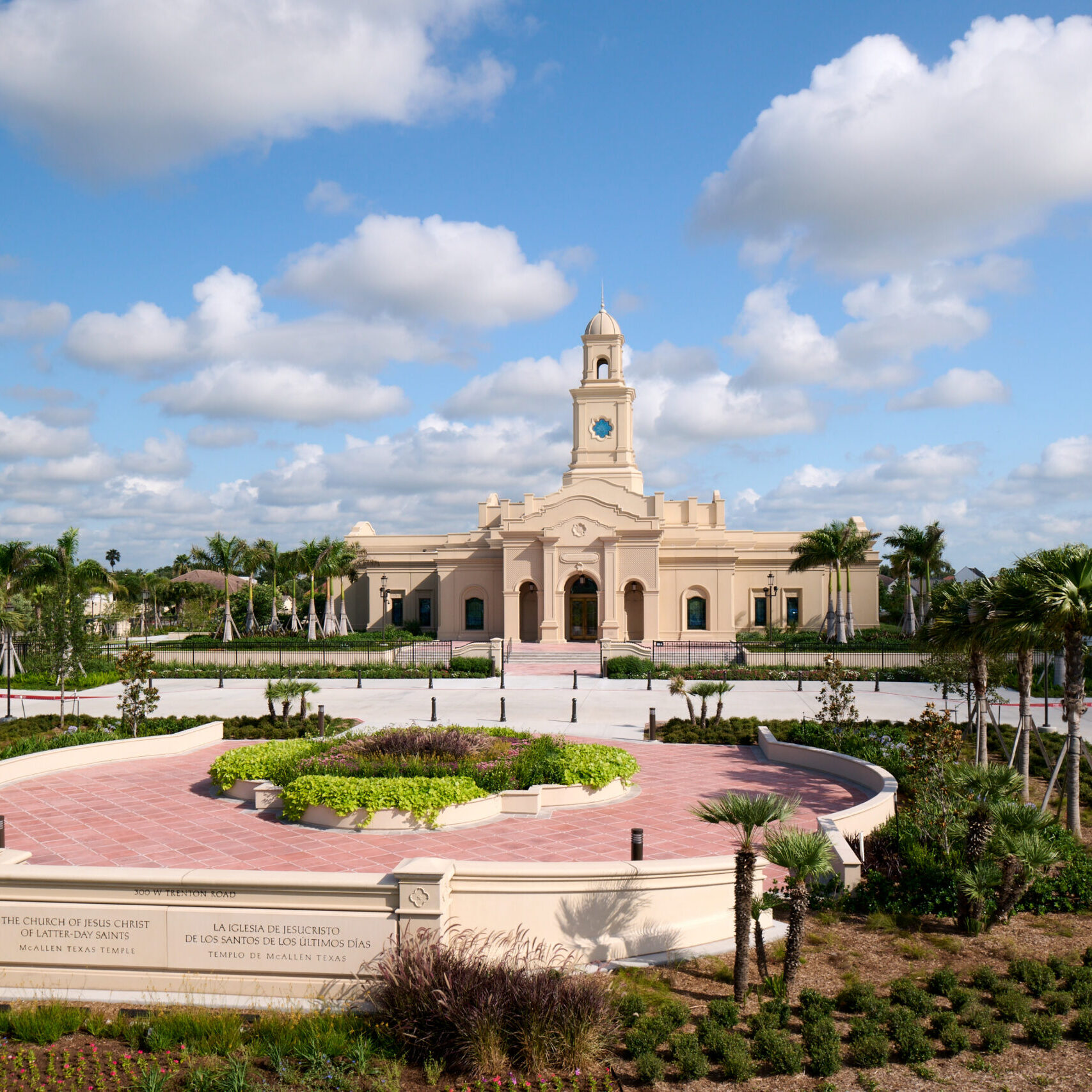
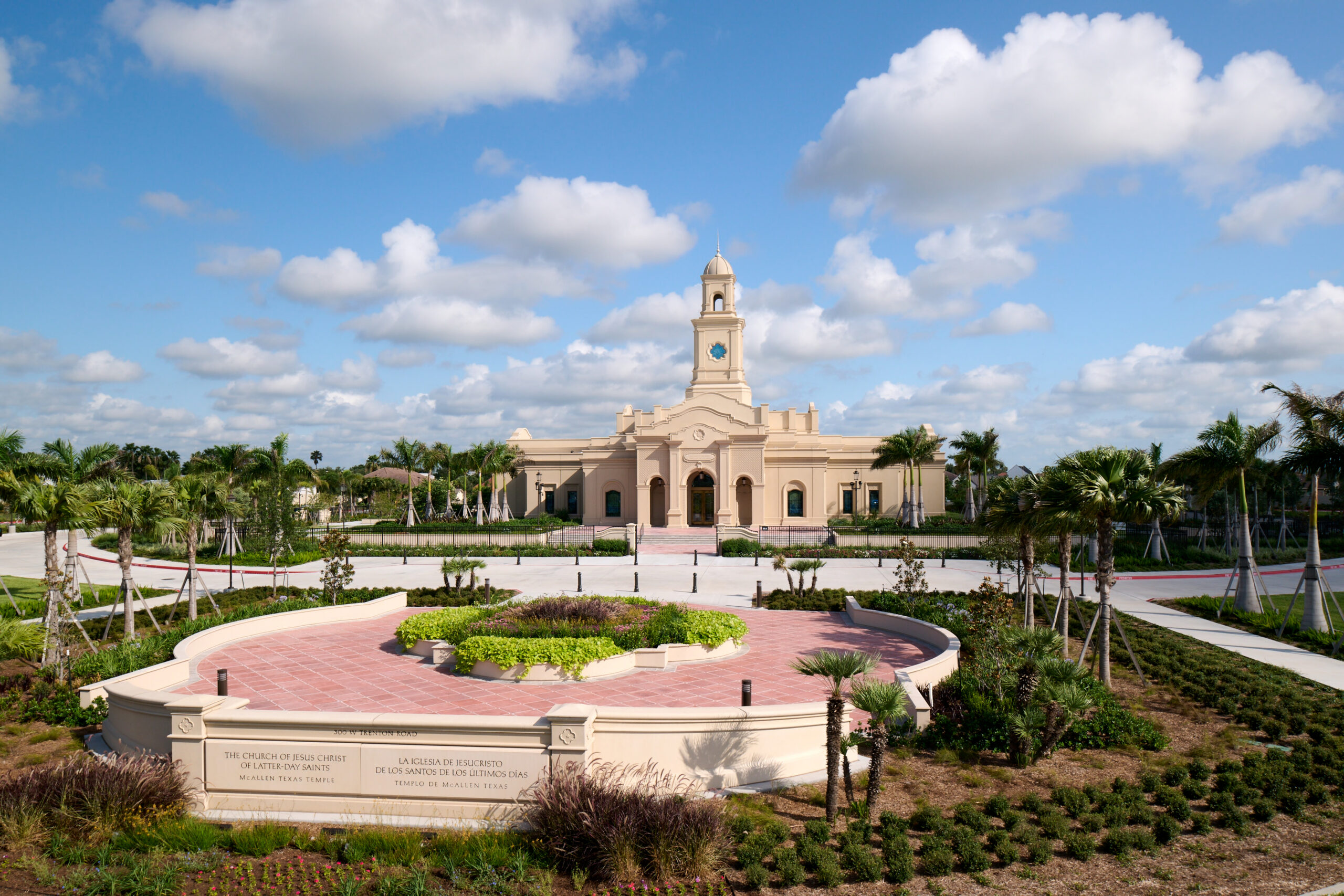
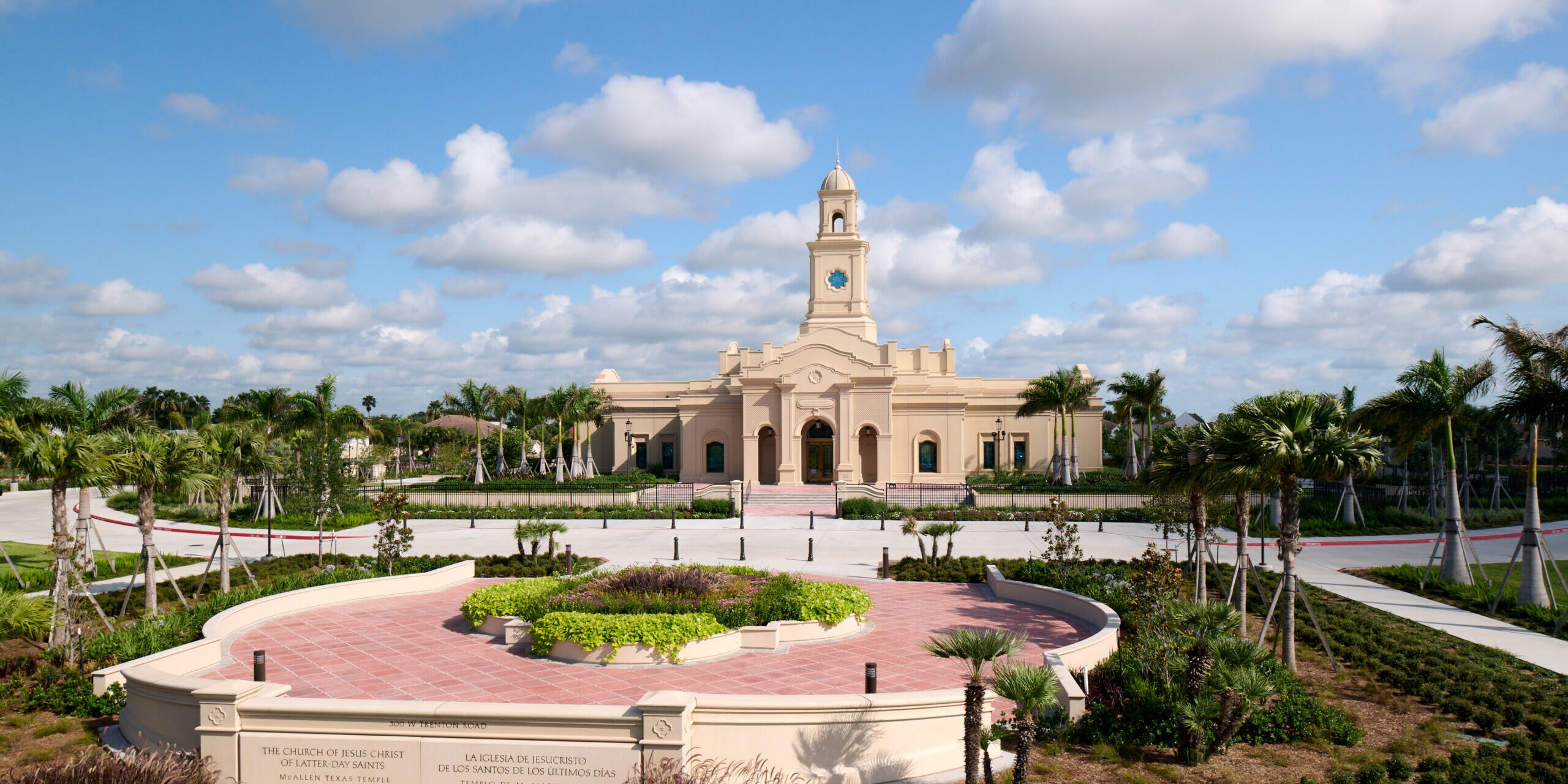
Religious structures often serve as community beacons, offering space for reflection and healing. In McAllen, Texas, just north of the U.S.–Mexico border, a new Temple of The Church of Jesus Christ of Latter-day Saints rises from a 10.61-acre site, standing 108 feet tall and forming an elegant silhouette in the Rio Grande Valley.
The design draws from regional citrus agriculture and Spanish colonial architecture, blending motifs such as corbels, semicircular arches, barrel vaults, shells, and other sculptural elements.
Fast Facts
Award: Best Religious Building
Project: The Church of Jesus Christ of Latter-day Saints Temple (McAllen, TX)
Project Size: 27,897 SF
Site: 10.61 acres
Height: 108 ft
Owner: The Church of Jesus Christ of Latter-day Saints (Salt Lake City, UT)
Precast Producer: Wells (PCI-Certified), Hillsboro, TX
Architect: VCBO Architecture (Salt Lake City, UT)
Engineer of Record: ARW Engineers (Ogden, UT)
Precast Specialty Engineer: InfraStructure, LLC (Omaha, NE)
General Contractor: Parkway C&A LP (Lewisville, TX)
Precast Cost: Confidential ($3.25M for precast)
Precast scopeA total of 258 architectural precast concrete panels formed the exterior envelope. Each panel was meticulously produced for crisp edges, clean reveals, and deeply sculpted reliefs with consistent color and texture.
The panels feature an acid-wash finish crafted to emulate fine-grain limestone, capturing subtle tonal variation for an authentic, hand-carved appearance.
Design intent, achieved with constructabilityThe architectural approach emphasizes subtractive openings “carved” from solid-appearing walls, echoing historic adobe structures with thick masonry. Precast made it possible to achieve intricate three-dimensional patterns, including quatrefoil floral motifs and deeply shelled niches, at a level of precision and repeatability that would have been difficult to execute in stone within budget and schedule constraints.
Schedule and performance outcomesPrecast supported key project goals, including minimal exterior joints, maximum architectural fidelity, and accelerated enclosure. Erection was completed in three months, enabling early enclosure and kickstarting extensive interior finishes such as millwork, stone, decorative painting, and gilding.
Beyond speed, the project realized durability and long-term performance benefits associated with precast, including resilience and sustainability advantages compared with natural stone cladding.


Project Team:
- Owner: The Church of Jesus Christ of Latter-day Saints (Salt Lake City, UT)
- Precast Producer: Wells (PCI-Certified), Hillsboro, TX
- Architect: VCBO Architecture (Salt Lake City, UT)
- Engineer of Record: ARW Engineers (Ogden, UT)
- Precast Specialty Engineer: InfraStructure, LLC (Omaha, NE)
- General Contractor: Parkway C&A LP (Lewisville, TX)
PCMA Associates
Conac • Dayton Superior Corp. • Frontier Support Logistics LLC • Hamilton Form Company • JVI • Leviat • Master Builders Admixtures, Inc. • MI-Jack Products • SnS Erectors • Splice Sleeve North America, Inc.
FAQ
What is the McAllen, Texas Temple project?
A 27,897 SF temple on a 10.61-acre site in McAllen, Texas, standing 108 feet tall and inspired by regional citrus agriculture and Spanish colonial architecture.
How was precast concrete used?
The exterior is formed by 258 architectural precast panels created to achieve crisp edges, clean reveals, and deeply sculpted reliefs with consistent color and texture.
What finish was used to achieve the limestone appearance?
An acid-wash finish was executed to emulate fine-grain limestone and subtle tonal variation.
How did precast affect the schedule?
Precast erection was completed in three months, enabling early enclosure and earlier start of interior finish work.
See our other Best in Precast 2025 Winners